Dream11 has pushed into 11 international markets, including Australia, after India’s parliament outlawed paid fantasy sports. The Mumbai-based company generated 95 per cent of its revenues from cash-based contests before the ban.
Australia now sits inside a network that stretches from the United States to South Africa as Dream11 switches to a free-to-play model backed by advertisements and sponsorships.
The platform will test a global audience for the first time after building what became the world’s largest fantasy sports operation at home.
Dream11 Launches In Australia After Huge Success At Home
Fantasy sports operators in Australia register under state and territory gambling frameworks rather than the federal Interactive Gambling Act restrictions.
Australia’s gambling regulators treat fantasy sports as resembling permitted sports wagering rather than casino games following a 2012 federal review.
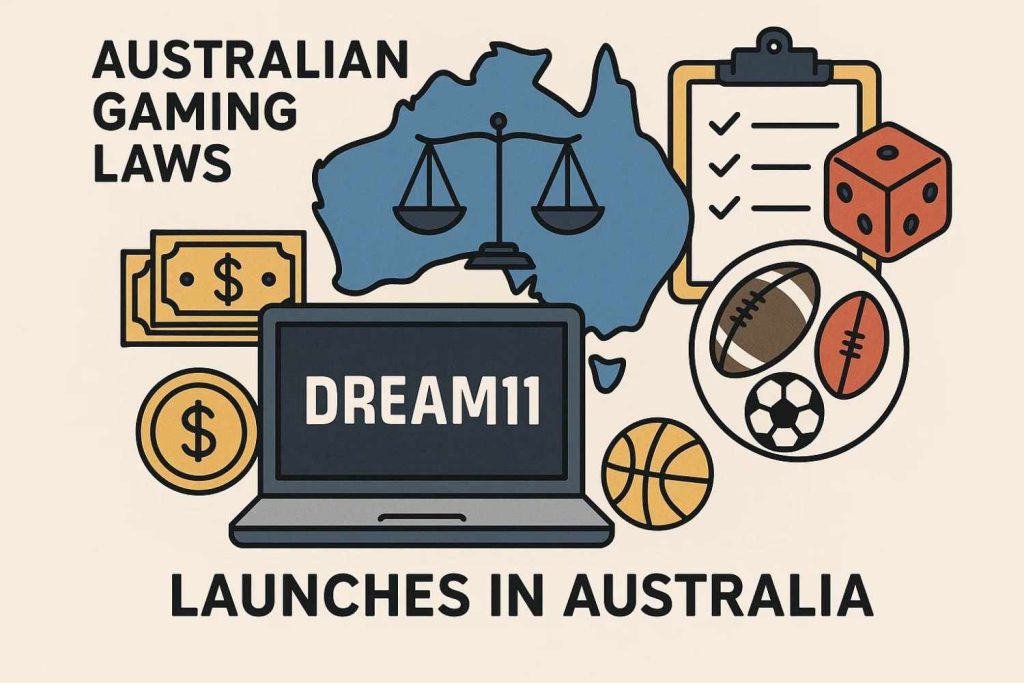
Operators typically work under Corporate Bookmaker Licence structures, which provide a clearer legal footing than in many markets.
Dream11 will not offer real-money games in its new international territories. Every territory receives the free-to-play version that launched in India after regulators banned cash contests.
The platform reaches Australian users with cricket competitions, plus rugby league formats and Australian Football League selections built specifically for local fans.
Draftstars has operated in Australia’s daily fantasy market since TopBetta’s earlier market entry, building regular NRL and AFL competitions through 2025. Bet365 and Sportsbet dominate traditional sports betting with retail and online reach.
Dream11 must differentiate through its social competition model rather than competing directly on wagering odds.
Will Dream11 Be Pay To Play Or Free To Play In Australia
Dream11 will not introduce real-money contests in Australia or any of its newly added markets. The platform pivoted to a free-to-play format supported by advertising and sponsorships following India’s regulatory shift.
Australian users access the same model launched in India after the parliament banned cash competitions.
Dream11 has begun onboarding brands selectively, including Swiggy, Astrotalk, and Tata Neu, offering banner advertisements and sponsored contests rather than entry fees. The company abandoned its entire paid contest infrastructure across all territories.
Why Is Dream11 Expanding To 11 New Countries?
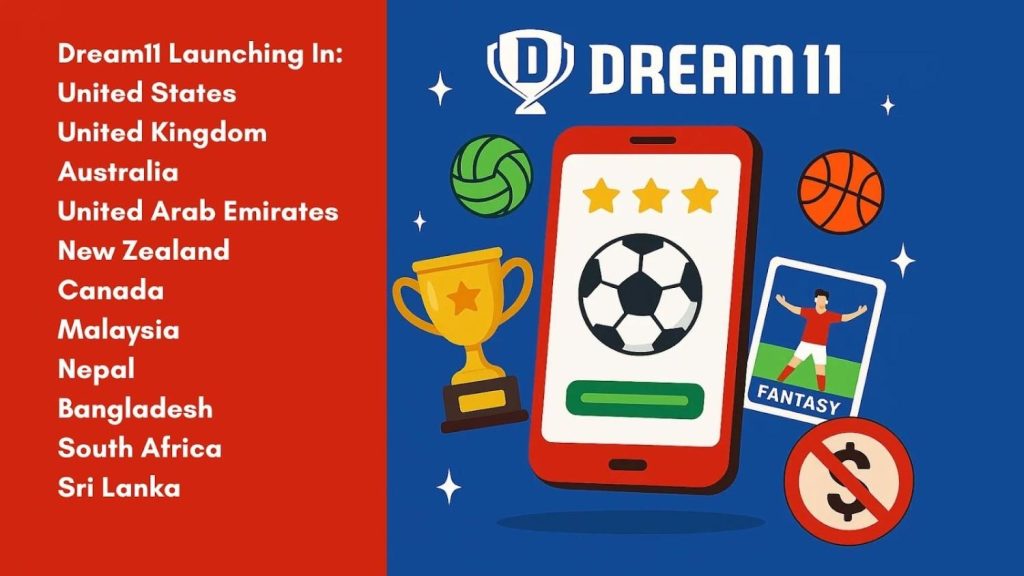
Dream11’s expansion includes the United States, the United Kingdom, Australia, the United Arab Emirates, New Zealand, Canada, Malaysia, Nepal, Bangladesh, South Africa, and Sri Lanka.
Parliament passed the Promotion and Regulation of Online Gaming Act in August 2025, banning real-money online games. Chief executive Harsh Jain stated 95 per cent of revenue disappeared after the law took effect.
The fantasy sports industry generated roughly $3.2 to $3.7 billion in India before legislators moved against real-money gaming.
Fantasy cricket drove engagement with 10 million daily active players and over 250 million total users at Dream11’s peak. Markets like Australia, the UK, and the US offer established fantasy sports audiences with legal frameworks that permit skill-based competitions.
Dream11’s New Model: Old Numbers, Partnerships & Pivots
Dream11 reported ₹4,070 crore in annual revenue as of March 2022 before the gaming law wiped out paid contests in 2025.
The platform held partnerships with the International Cricket Council, Indian Premier League franchises, and served as brand ambassador sponsor during the 2018 IPL, with Mahendra Singh Dhoni fronting the “Dimaag se Dhoni” campaign.
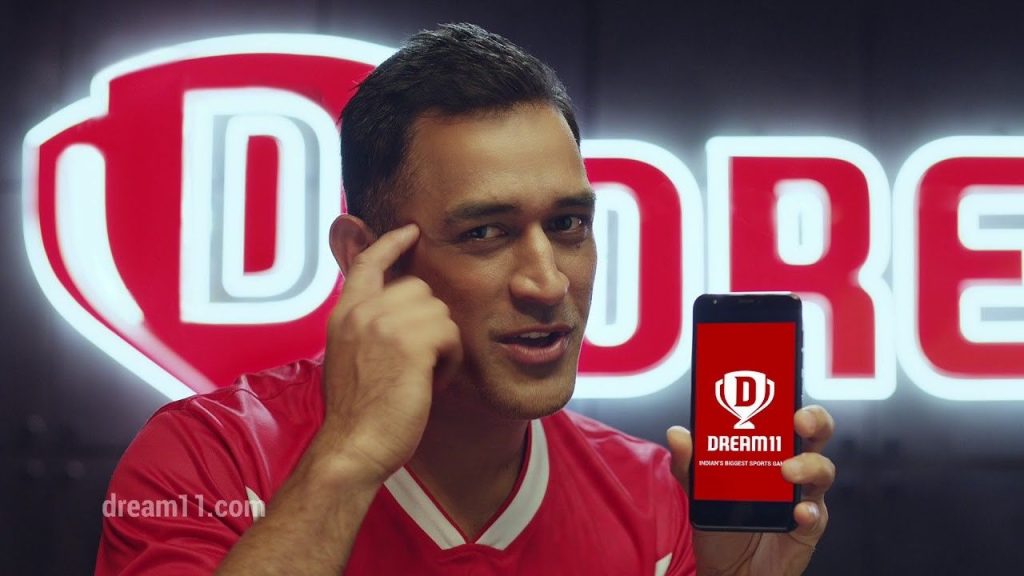
Dream11 became India’s first fantasy sports unicorn in April 2019 and reached an $8 billion valuation by November 2021.
Dream11 pivoted to advertising partnerships after the ban, onboarding brands including Swiggy, Astrotalk, and Tata Neu. The platform offers banner advertisements and sponsored contests targeting audiences from mobile-first sports fans to metropolitan cricket followers.
Other Dream Sports platforms like FanCode and DreamSetGo currently contribute only modestly to company revenue.
Dream11 recently launched Flex, a feature allowing users to create customised fantasy leagues with their own rules.
Users design league formats, including the number of matches, transfer rules, and team sizes in private competitions. The international rollout carries this format to all 11 territories.
Dream11 applied to India’s Securities and Exchange Board seeking clearance to launch Dream Money, a stock broking and wealth platform.
The planned discount brokerage would compete with established players like Zerodha, Angel One, and Groww, attempting to convert fantasy sports users into equity investors.
Only about one in 12 Indians currently holds registration with the National Stock Exchange, leaving room for platforms targeting first-time retail investors.
Related Reads:
Conclusion: Dream11 Is Launching In Australia After The Gaming Bill In India
Dream11’s Australian launch tests whether fantasy sports engagement survives without cash stakes driving participation. Co-founder Harsh Jain acknowledged 100 per cent of profits came from paid contests before regulators intervened.
The company redirects 500 engineers toward AI development while cutting marketing budgets to fund the international expansion and stock broking pivot.
Australia’s sports-focused culture, combined with established fantasy platforms, creates both opportunity and competition for Dream11’s free-to-play model.
Success across these 11 territories could validate whether advertising and sponsorships replace wagering as sustainable fantasy sports revenue.
The pivot from India’s largest fantasy operator to a global free-to-play platform will determine if Dream11 survives the regulatory shift that eliminated its core business model.