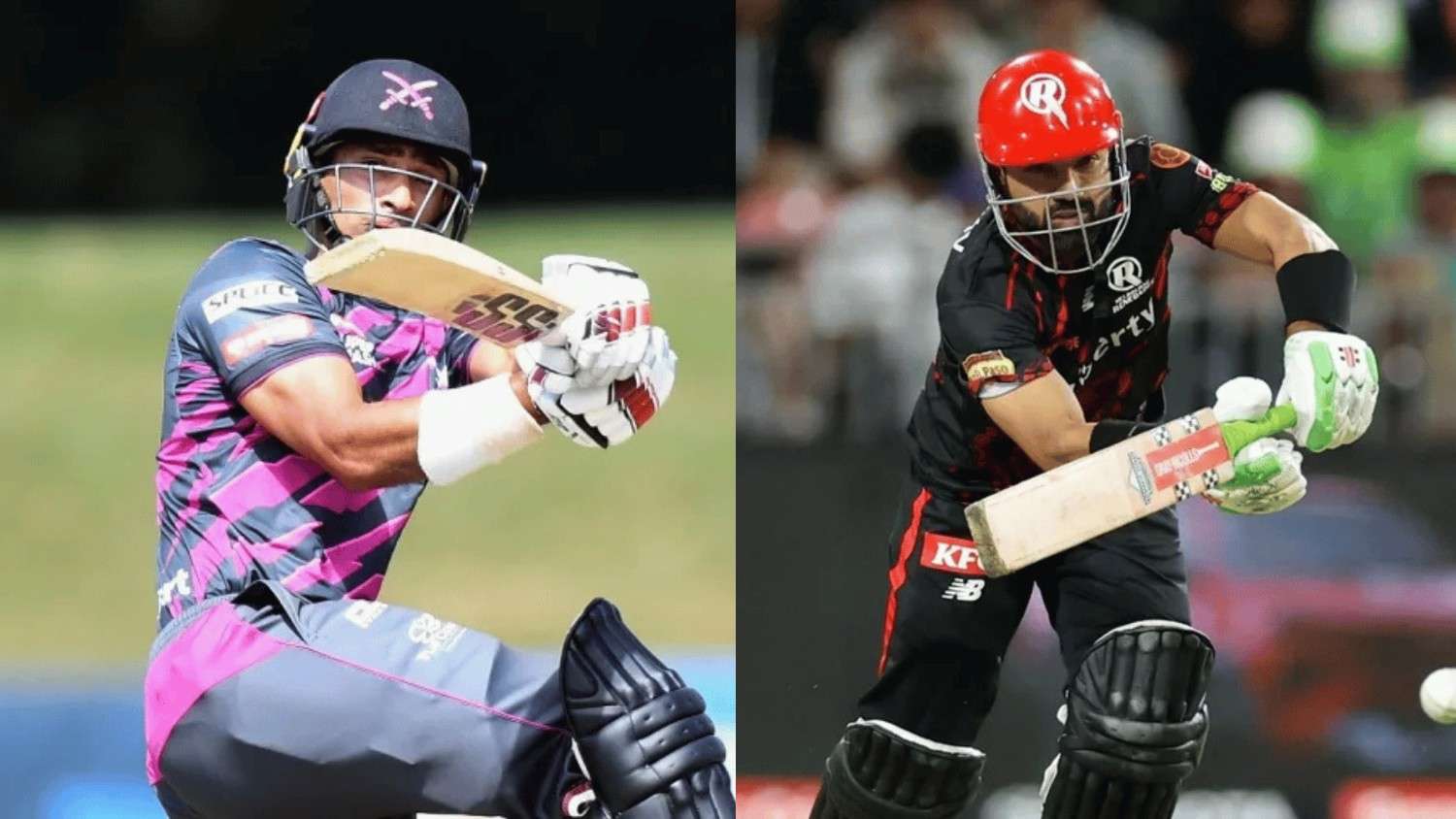
Mohammad Rizwan’s recent retired out dismissal during the BBL on January 12 has reignited discussions around one of cricket’s most intriguing tactical maneuvers. As the retired out strategy gains prominence in franchise cricket, 2026 has already witnessed six instances across major T20 leagues within just the first two weeks.
This unconventional dismissal method, once considered taboo, is now becoming an accepted tactical weapon in the modern game. Let’s explore what retired out means and examine the players who’ve embraced this strategy in 2026.
What is Retired Out in Cricket?
Retired out occurs when a batter voluntarily leaves the field during their innings with the umpire’s permission, allowing another player to take their place at the crease.
Unlike traditional dismissals, this tactical withdrawal doesn’t count against the bowler’s figures and is recorded simply as “retired out” in the scorebook.
Players Retired Out in T20 Cricket (2026)
| Player Name | Date | Tournament | Team | Score | Strike Rate | Match Situation/Reason |
|---|---|---|---|---|---|---|
| Nic Maddison | January 3 | BBL | Adelaide Strikers | 30 off 26 | 115.38 | First retired out of 2026; struggling to accelerate in Sydney |
| Jeet Rawal | January 4 | Super Smash | Northern Districts | 23 off 28 | 82.14 | Extremely slow innings in Mount Maunganui; the team needed acceleration |
| Xavier Bell | January 4 | Super Smash | Northern Districts | 9 off 13 | 69.23 | Partnering with struggling Rawal, tactical double retirement |
| Roston Chase | January 7 | SA20 | Pretoria Capitals | 25 off 15 | 166.67 | Despite a good strike rate, the team wanted a specialist finisher in Durban |
| Tim Pringle | January 8 | Super Smash | Northern Districts | 5 off 12 | 41.67 | Struggling badly; ND scored 103 runs in the remaining 8 overs after retirement |
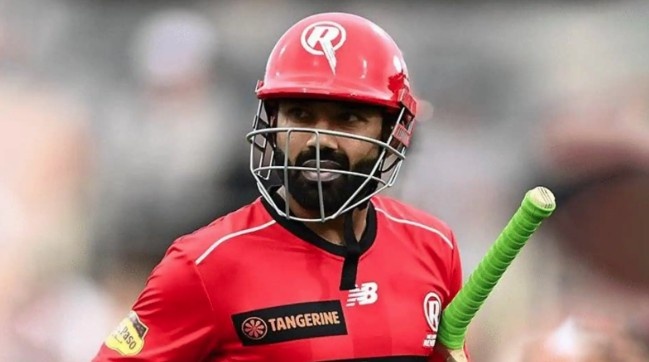
| Mohammad Rizwan | January 12 | BBL | Melbourne Renegades | 26 off 23 | 113.04 | Latest retired out; slow strike rate prompted tactical change in Sydney |
The 2026 Retired Out Cases: Detailed Analysis
Here is a quick breakdown of the retired-out incidents seen in 2026 across major T20 matches.
Nic Maddison – BBL’s First (January 3, Sydney)
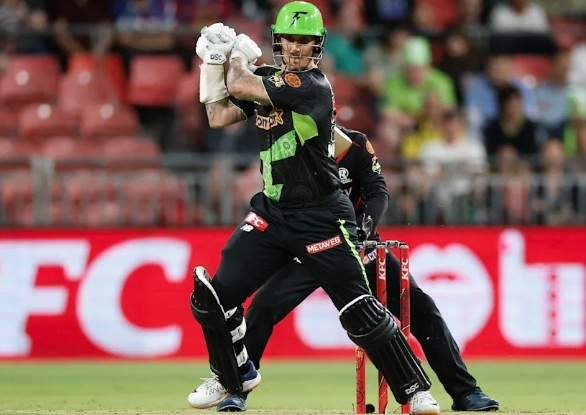
Maddison made history as the first batter to be retired out in 2026, departing after scoring 30 off 26 balls with just two sixes and a strike rate of 115.38 for Adelaide Strikers. Despite reaching 30, his inability to accelerate prompted the tactical decision during a crucial phase in Sydney.
Jeet Raval and Xavier Bell Double Retirement (Jan 4, Mount Maunganui)
New Zealand’s Super Smash witnessed an unprecedented double retired out on the same day. Jeet Rawal was batting at 23 off 28 balls, a crime in T20 cricket, when Northern Districts pulled him from the crease. His partner Xavier Bell followed shortly after, retiring on just 9 off 13 balls. This bold double withdrawal showcased how modern teams prioritize team success over individual statistics.
Roston Chase’s Surprising Exit (January 7, Durban)
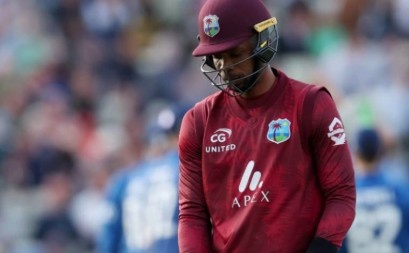
Chase’s retirement was perhaps the most surprising, as he was striking at 166.67 with 25 off just 15 balls for Pretoria Capitals in the SA20. Despite his excellent strike rate, the team wanted a specialist death-overs finisher, demonstrating that retired out decisions aren’t always about poor performance but strategic match-ups.
Tim Pringle’s Game-Changing Decision (January 8, Hamilton)
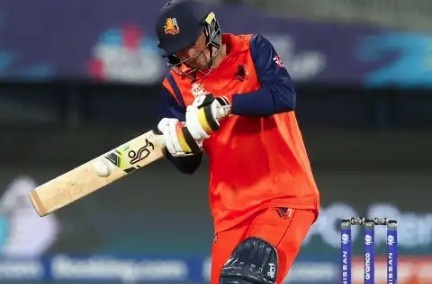
Pringle was suffering on 5 off 12 balls when Northern Districts retired him out against Canterbury. This decision proved masterful, Northern Districts added 103 runs in the remaining 8 overs after Pringle’s departure and went on to win the match, validating the controversial tactical call.
Also Read:
Mohammad Rizwan Joins the List (January 12, Sydney)
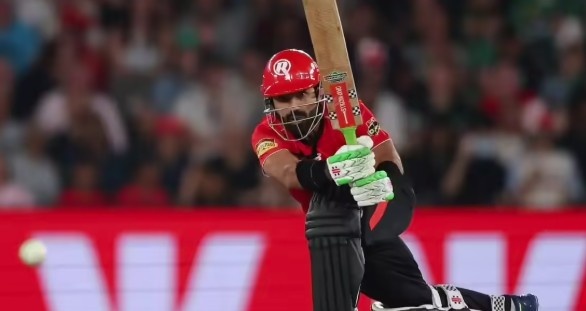
Pakistan’s star wicketkeeper became the latest to retire out in BBL 2026, departing on 26 off 23 balls with a strike rate of 113.04 for Melbourne Renegades. His dismissal sparked renewed debate about whether established international stars should employ this tactic or bat through their struggles.
As teams increasingly prioritize match-ups, strike rotation, and situational batting, the retired out dismissal is evolving from a controversial rarity into a legitimate strategic weapon in modern T20 cricket.