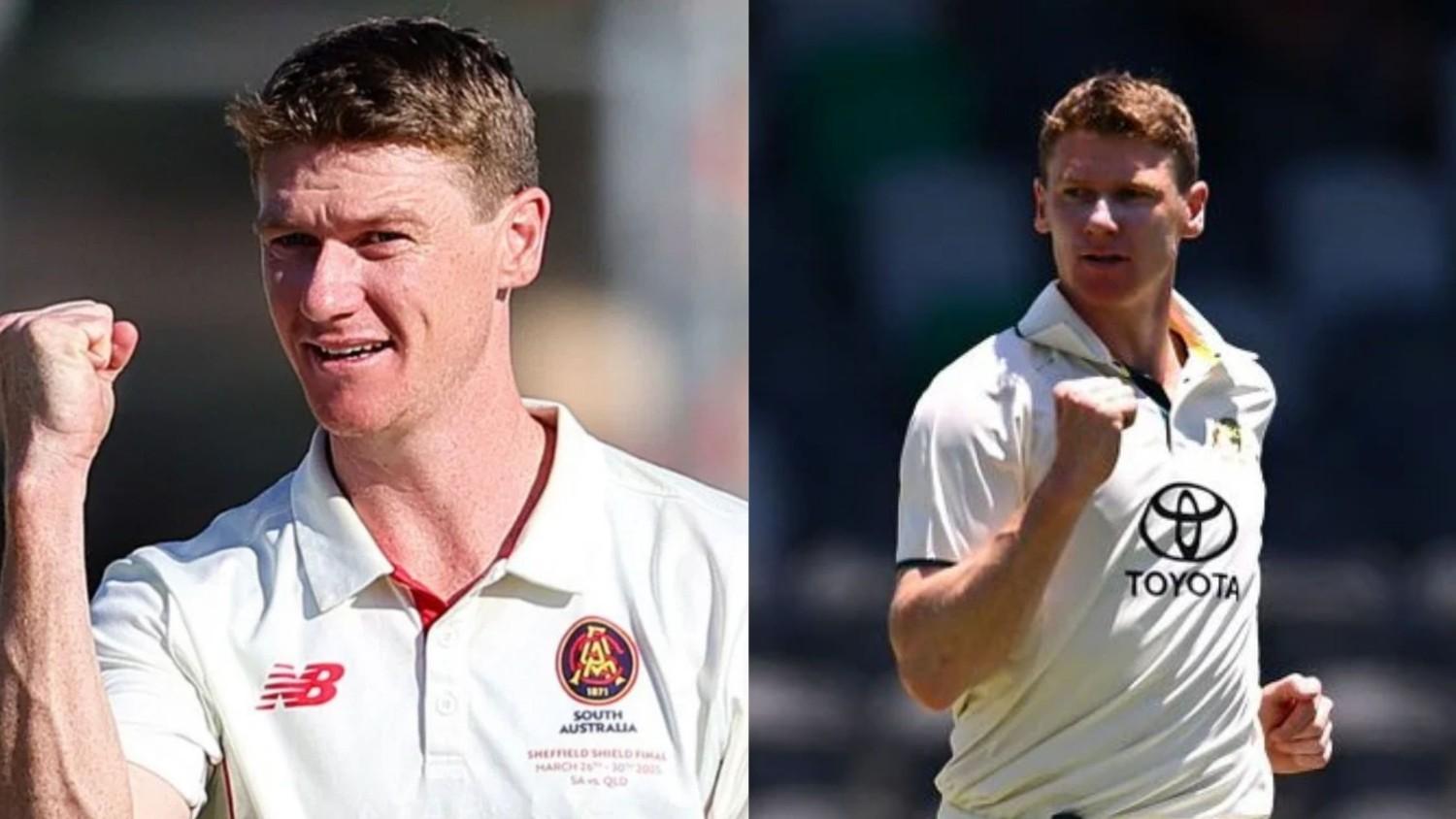
Brendan Doggett has become the third Indigenous Australian man to receive a Test cap, stepping into Australia’s first Ashes clash against England on November 21, 2025.
The 31-year-old right-arm fast bowler emerged as a crucial piece in Australia’s pace attack after injuries to Josh Hazlewood and Pat Cummins opened a window of opportunity the Rockhampton-born quick has pursued for seven years.
Scott Boland and Doggett now make history as the first two Indigenous cricketers to wear the baggy green in the same Test XI.
This article explores Doggett’s route from working construction in regional Queensland to becoming one of domestic cricket’s formidable quick bowlers.
You will also unpack his career statistics across all formats and identify why selectors chose him when opportunity knocked.
Read on to understand one of Australian cricket’s most unlikely Test stories.
Who Is Brendan Doggett? The Late-Blooming Aussie Quick
When the Sheffield Shield final rolled around, Doggett did something that had been waiting to happen for years. He took 11 wickets.
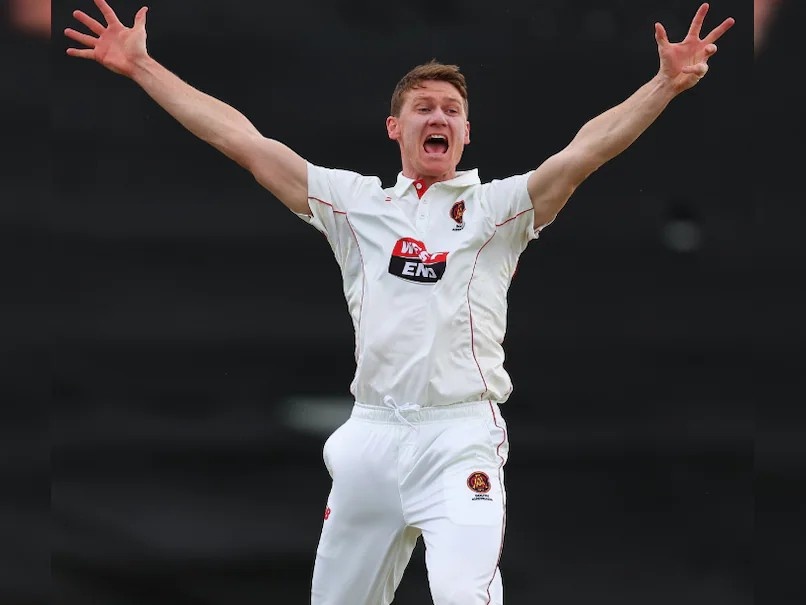
Not just any 11 wickets, but 11 for 140 in a match that South Australia had been chasing since 1996, which meant Doggett’s performance was the kind of performance that shifted how people thought about him.
Jason Gillespie, now coaching South Australia, had been saying for months that Doggett was ready, and there was something about the way he described it, comparing him to a greyhound prepared for the moment, that made you believe it.
When selectors finally picked him, it was because his form across the previous 18 months had become impossible to ignore.
Brendan Doggett: Early Life & Start Of Journey
Brendan Doggett was born on May 3, 1994, in Rockhampton, a regional Queensland town where his mother’s family carries Worimi heritage.
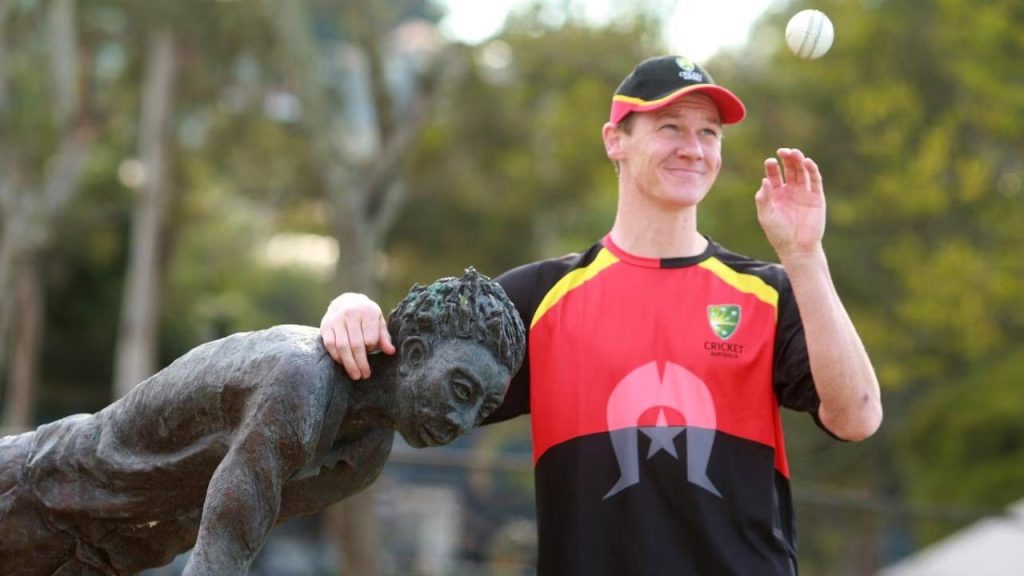
Growing up in Toowoomba, at school’s end, he started a carpentry apprenticeship, completed four years of formal training alongside a Certificate IV in construction, and spent his early twenties building houses across southwest Queensland.
While labouring full-time, he was also serious about cricket. He’d rise before dawn to finish carpentry jobs, then drive 90 minutes twice weekly to Brisbane for training sessions at Western Suburbs Cricket Club.
Toowoomba Souths came calling, and from there, his performances in Premier Cricket earned him a rookie Queensland Bulls contract in 2016, making him only the second Indigenous player to hold such a contract at that time.
His Cricket Australia XI List A debut came in October 2016, followed by his Sheffield Shield first-class debut during the 2017–18 season with Queensland.
That opening Shield campaign yielded 28 wickets at 27.71 as Queensland claimed the title, yet despite early success, injuries and selection setbacks kept interrupting what should have been steady progress.
Around his late twenties, after spending time learning more deeply about his Aboriginal heritage, he relocated to South Australia in 2021.
It was here, under Gillespie’s mentorship, that something changed in his cricket, confidence, and sense of identity altogether.
Brendan Doggett: Debut In The 2025–26 Ashes
Pat Cummins felt his back go, Josh Hazlewood’s hamstring gave way, and suddenly there was an opening in Australia’s pace attack for the Perth Test on November 21, 2025.
For seven years, Doggett had been on the radar, in and around squad discussions, waiting for exactly this kind of moment. Perth promised pace and bounce, conditions that suit his fast-outswing technique and his natural ability to extract movement off the surface.
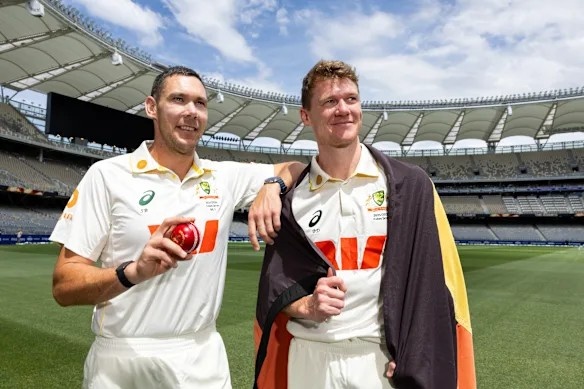
Standing alongside Scott Boland and Mitchell Starc, he took a new-ball role, and what made it historically significant was that two Indigenous Australians would wear the baggy green together for the first time.
Gillespie had described him as ready, comparing his fitness and intensity to something primed for battle.
In the weeks before Perth, Doggett had claimed 13 wickets at 14.69 across two Shield matches, including two five-wicket hauls that underscored not just form but peak timing.
Seven years of waiting, alongside the construction work that grounded his perspective, finally converged in Perth as he stepped into Australia’s pace attack.
First Class Numbers & Key Stats: Brendan Doggett
Across 50 first-class matches, Doggett’s record reads as something that shifted decisively in recent times. The 190 wickets at 26.5 average are respectable enough, but what matters is how the numbers moved.
| Statistic | Value |
|---|---|
| Matches | 50 |
| Innings | 90 |
| Balls Bowled | 9315 |
| Maidens | 328 |
| Runs Conceded | 5028 |
| Wickets | 190 |
| Economy | 3.24 |
| Bowling Average | 26.5 |
| Strike Rate | 49.0 |
Brendan Doggetts’ economy rate of 3.24 runs per over demonstrates disciplined bowling through sustained spells, while the strike rate of 49.0 balls per wicket shows genuine penetration.
In his first 20 first-class matches, he took 98 wickets at 21.41, which is a dramatic reduction from his career average and explains why selectors shifted their perception of him.
His best first-class figures of 6/15 came against India A in 2024, achieved across 11 overs with an economy of 1.36.
The Sheffield Shield final, 11 wickets at 14 apiece, demonstrated capability at the highest domestic level under genuine pressure, sealing South Australia’s first title in nearly three decades and proving this wasn’t form that collapsed when it mattered most.
List A & T20 Stats: Brendan Doggett
The shorter formats tell a different story, one that matters less for understanding his Test selection but matters for completeness.
In 17 List A matches, he’s claimed 26 wickets at 35.8 average with a strike rate of 32.1 balls per dismissal, though the economy of 6.69 per over suggests he hasn’t yet cracked the rhythm of 50-over cricket with consistency.
| Statistic | List A | T20 |
|---|---|---|
| Matches | 17 | 48 |
| Innings | 16 | 48 |
| Balls Bowled | 835 | 890 |
| Maidens | 7 | 0 |
| Runs Conceded | 931 | 1236 |
| Wickets | 26 | 43 |
| Economy | 6.69 | 8.33 |
| Bowling Average | 35.8 | 28.7 |
| Strike Rate | 32.1 | 20.7 |
Move to T20 and the picture becomes clearer: across 48 Big Bash League matches for South Australia, he’s taken 43 wickets at 28.7 average with an economy of 8.33.
His strike rate of 20.7 in the shortest format actually outpaces his List A work, which tells you the quick ball in abbreviated cricket suits him.
A best T20 performance of 5/35 shows that when conditions favour pace and bounce, he operates at an elite level even under batting-friendly circumstances.
These shorter-form outputs confirm what selectors were thinking: his Test selection was driven by Sheffield Shield dominance and Test-specific skill set, not white-ball credentials.
Related Reads:
Conclusion: Brendan Doggett Is An Upcoming Pace Bowler With More Commitment To Offer Than Pedigree
Brendan Doggetts’ seven-year journey from squad selection to actual debut speaks to both circumstance and the sheer demands of high-level sport, yet his recent form vindicated every moment of that wait.
Doggett’s path from carpenter to cricketer remains uncommon in Australian sport, where pathways typically favour early identification and junior academy grooming rather than persistence through injury and limited opportunities.
That background, that different route into the game, has shaped not just how he plays but how he thinks about cricket itself.
As he begins his Test career against England in the Ashes, his proven domestic form and the specific praise from coaches like Gillespie suggest this is merely an opening rather than a one-off appearance.
FAQs
Doggett operates as a fast-outswing bowler who moves the ball away from right-handers with consistency. Doggett relies on skid and outswing movement, creating a different challenge through variation rather than trajectory alone.
Relocating in 2021 placed him under Jason Gillespie’s mentorship, a fellow Indigenous quick who understood Test cricket’s demands intimately. The move eliminated travel pressures from Brisbane and allowed continuous Shield cricket.
Josh Hazlewood’s hamstring strain and Pat Cummins’s back injury created a vacancy in Australia’s pace attack for the Perth Test. Doggett had been in squad discussions for seven years without playing, and these injuries finally provided a genuine opportunity.
His match figures of 11 wickets proved he could absorb workload and maintain intensity when pressure mattered most. Claiming player of the match in a title-clinching performance under genuine competitive stakes showed the mental and physical resilience required at the international level.
Appearing alongside Scott Boland marks the first time two Indigenous cricketers have worn the baggy green together in a Test XI. This moment carries cultural importance for Australian cricket and representation.